
In an increasingly fast-paced and demanding world, emotional resilience has become an essential life skill. Emotional resilience refers to the ability to adapt to stress, recover from challenges, and maintain a sense of balance during difficult moments. While there are many ways to strengthen emotional well-being, creative hobbies stand out as powerful, accessible tools for personal growth. They provide a healthy outlet for expression, help regulate emotions, and encourage a deeper understanding of oneself. Exploring creative hobbies is not about perfection or talent; it is about process, presence, and progress.
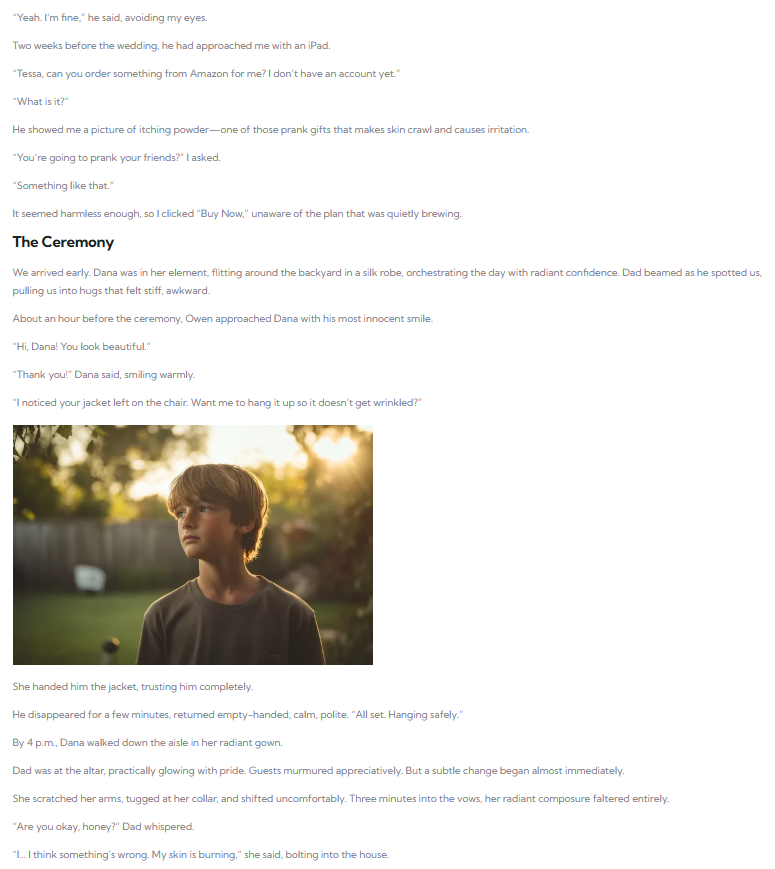
Creative activities allow the mind to slow down and focus, which can reduce everyday stress and mental overload. When someone paints, writes, plays music, or crafts something with their hands, attention naturally shifts away from worries and toward the task at hand. This focused engagement creates a calming effect similar to mindfulness, helping individuals feel grounded and emotionally steady. Over time, this practice can strengthen the ability to manage emotions more effectively, even outside the creative space.
One of the most meaningful benefits of creative hobbies is emotional expression. Many emotions are difficult to explain through words alone, especially feelings like frustration, sadness, or uncertainty. Creative outlets offer alternative ways to express these emotions safely and constructively. Writing in a journal, composing poetry, sketching abstract shapes, or experimenting with music can all serve as emotional languages. Through creativity, people often gain clarity about what they are feeling and why, which is a key step toward emotional growth.
Artistic hobbies such as drawing, painting, or digital design encourage self-exploration without judgment. There are no strict rules in personal art, which creates a sense of freedom and acceptance. This can be especially valuable for building self-esteem and confidence. When individuals allow themselves to create without fear of mistakes, they learn that imperfection is part of learning. This mindset gradually carries over into daily life, fostering resilience in the face of challenges and setbacks.
Writing-based hobbies also play a significant role in emotional development. Creative writing, storytelling, and reflective journaling help organize thoughts and emotions in a structured way. Writing can act as a mirror, revealing patterns in thinking and behavior that might otherwise go unnoticed. By revisiting written reflections, individuals can track personal growth, recognize progress, and develop a stronger sense of identity. This awareness builds emotional strength and encourages healthier responses to stress.
Music is another powerful creative outlet for emotional resilience. Listening to or creating music can influence mood, energy levels, and motivation. Playing an instrument or singing allows emotions to be expressed through sound and rhythm, often releasing tension and promoting relaxation. Music also enhances emotional awareness by helping people connect with feelings they may not consciously recognize. Over time, this emotional connection can lead to improved emotional regulation and a greater sense of inner balance.
Hands-on creative hobbies such as crafting, woodworking, knitting, or cooking offer unique emotional benefits. These activities involve physical movement and sensory engagement, which can be grounding and comforting. The act of creating something tangible provides a sense of accomplishment and purpose. Completing a project, no matter how small, reinforces feelings of capability and control. This sense of achievement can be especially important during times of uncertainty or emotional strain.
Creative hobbies also encourage patience and persistence. Learning a new skill takes time, effort, and practice. Along the way, mistakes are inevitable, but they become opportunities for learning rather than sources of discouragement. This process builds emotional resilience by teaching individuals how to cope with frustration and remain committed despite challenges. The ability to stay engaged and motivated through difficulty is a valuable life skill that extends far beyond creative pursuits.
Another important aspect of creative hobbies is their role in fostering connection. While many creative activities can be enjoyed alone, they also provide opportunities to connect with others who share similar interests. Participating in group classes, workshops, or community projects can reduce feelings of isolation and build supportive relationships. Sharing creative work, whether through conversation or collaboration, helps individuals feel seen and understood, which strengthens emotional well-being.
Creative hobbies also support personal growth by encouraging curiosity and exploration. Trying new forms of creativity exposes individuals to different perspectives and ways of thinking. This openness enhances adaptability and flexibility, both of which are key components of emotional resilience. When people are willing to explore unfamiliar activities, they become more comfortable stepping outside their comfort zones and embracing change.
Consistency is an important factor in gaining emotional benefits from creative hobbies. Engaging in creative activities regularly, even for short periods, can create a sense of routine and stability. This consistency provides something positive to look forward to and helps establish healthy coping habits. Over time, creative practice becomes a reliable source of comfort and self-care, contributing to long-term emotional balance.
It is also important to approach creative hobbies with the right mindset. Creativity should be seen as a personal journey rather than a performance. Comparing oneself to others or focusing on external validation can reduce enjoyment and increase pressure. Instead, focusing on the experience, learning, and emotional release allows creativity to remain a supportive and nurturing practice. When creativity is used as a tool for self-discovery rather than competition, it becomes a sustainable source of resilience.
Creative hobbies can be adapted to suit different personalities, schedules, and preferences. Some people may prefer quiet, introspective activities like writing or drawing, while others may enjoy expressive or collaborative forms such as music or dance. The key is to choose activities that feel enjoyable and meaningful. There is no single right way to be creative, and even simple acts of creativity can have a profound impact on emotional health.
In the long term, creative hobbies contribute to a more balanced and resilient mindset. They help individuals develop emotional awareness, manage stress, and build confidence in their ability to navigate challenges. Creativity teaches that growth often comes from exploration, patience, and self-acceptance. These lessons support emotional strength not only during difficult times but also in everyday life.
In conclusion, exploring creative hobbies is a valuable and accessible way to support emotional resilience and personal growth. Through artistic expression, mindful engagement, and consistent practice, creativity helps individuals understand themselves better and respond to life’s challenges with greater confidence and calm. Whether through art, writing, music, or hands-on crafts, creative hobbies offer a path toward emotional balance, self-discovery, and lasting well-being. By making space for creativity, individuals invest in their emotional health and cultivate skills that support a more resilient and fulfilling life.