
The simple act of holding and sipping a warm beverage has been part of human culture for centuries. Across different societies, warm drinks such as tea, coffee, milk, and herbal infusions are associated with relaxation, comfort, and emotional balance. Beyond tradition and personal habit, modern science increasingly suggests that warm beverages may influence the body’s parasympathetic nervous system, the branch of the nervous system responsible for rest, recovery, and calm. Understanding how this connection works helps explain why warm drinks are so often linked to stress relief and mental ease.


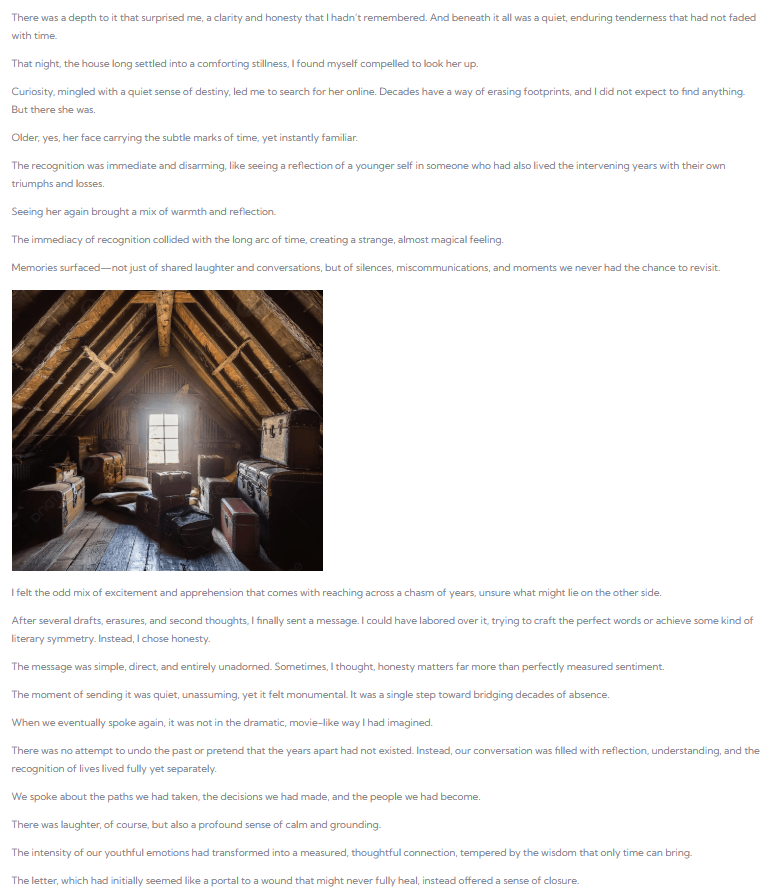






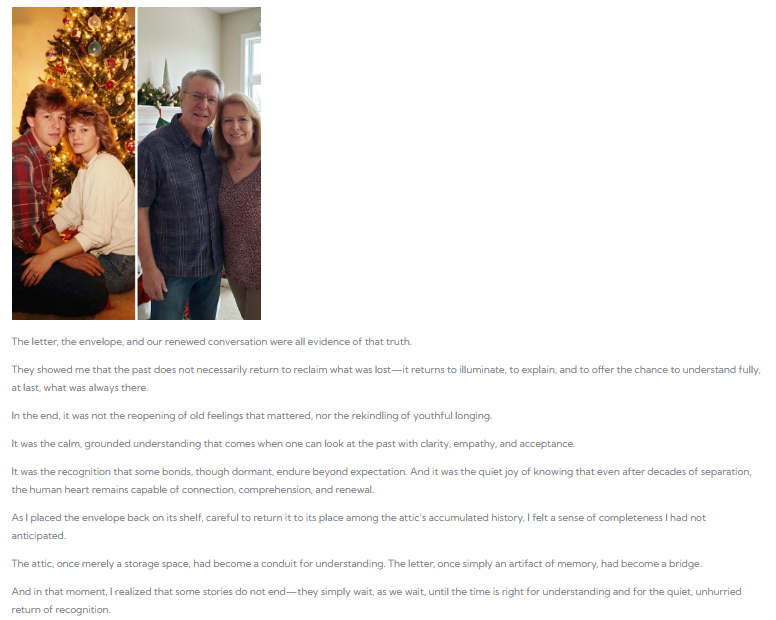
The human nervous system is divided into two main components: the sympathetic and parasympathetic systems. The sympathetic nervous system prepares the body for action, often referred to as the “fight or flight” response. It increases heart rate, heightens alertness, and mobilizes energy in response to perceived stress. In contrast, the parasympathetic nervous system promotes the “rest and digest” state. It slows the heart rate, encourages digestion, and supports relaxation and healing. Balance between these two systems is essential for physical and mental well-being.
Warm beverages appear to support parasympathetic activity through a combination of physiological, sensory, and psychological mechanisms. One of the most direct effects relates to temperature. Warmth has a soothing influence on the body, signaling safety and comfort. When a warm liquid enters the digestive system, it can gently stimulate the vagus nerve, a major component of the parasympathetic nervous system. The vagus nerve plays a crucial role in regulating heart rate, digestion, and emotional responses. Gentle stimulation of this nerve is associated with increased feelings of calm and reduced stress responses.
Another important factor is the effect of warmth on blood circulation. Consuming warm beverages can cause mild vasodilation, meaning blood vessels expand slightly. This improves blood flow and can create a sense of physical relaxation. Improved circulation also supports efficient oxygen and nutrient delivery throughout the body, reinforcing the parasympathetic state. When the body perceives that conditions are favorable and non-threatening, it naturally shifts away from stress-driven responses.
The sensory experience of drinking a warm beverage also contributes significantly to its calming effect. The warmth felt in the hands, mouth, and throat provides comforting sensory input that the brain often associates with safety and care. These sensations can trigger positive emotional memories, especially those connected to nurturing experiences such as being cared for during childhood. This sensory reassurance can lower stress hormones and encourage parasympathetic dominance, promoting a relaxed mental state.
Aromas released from warm beverages further enhance this effect. Herbal teas, for example, release volatile compounds when heated, which can influence mood and emotional responses through the sense of smell. The olfactory system has a direct connection to the brain’s emotional centers, including areas involved in stress regulation. Pleasant aromas can reduce anxiety and reinforce feelings of calm, indirectly supporting parasympathetic activity. Even familiar scents, such as brewed tea or warm milk, can act as cues for relaxation due to learned associations.
Psychological rituals associated with warm beverages also play a significant role. Taking time to prepare and enjoy a warm drink often involves slowing down and being present in the moment. This mindful pause contrasts with the fast pace of daily life, where stress and multitasking dominate. When individuals consciously slow their breathing and focus on the experience of drinking, they naturally activate parasympathetic responses. Mindful consumption encourages deeper breathing patterns, which are known to stimulate the parasympathetic nervous system and reduce stress.
The digestive process itself benefits from warm liquids. The parasympathetic nervous system is closely linked to digestion, and warmth can help relax the muscles of the gastrointestinal tract. This may support smoother digestion and reduce discomfort such as bloating or cramping. When digestion functions efficiently, the body receives feedback that it is in a stable, relaxed state, further reinforcing parasympathetic dominance. This connection helps explain why warm beverages are often recommended during meals or after eating.
Different types of warm beverages may offer varying degrees of calming effects, though the temperature itself remains a key factor. Herbal teas without stimulants are commonly associated with relaxation, but even warm water can have soothing properties. Warm milk has long been associated with comfort and bedtime routines, partly due to its warmth and creamy texture. While some warm beverages contain caffeine, which stimulates the nervous system, the warmth and ritual of consumption may still provide partial calming effects when consumed in moderation.
Cultural practices around warm beverages highlight their role in promoting calm and social connection. Tea ceremonies, coffee breaks, and shared warm drinks often serve as moments of pause and connection. Social bonding itself supports parasympathetic activity by fostering feelings of safety and belonging. When people share warm beverages in a relaxed setting, the combined effects of warmth, social interaction, and mindful presence can significantly reduce stress and support emotional well-being.
Scientific interest in the mind-body connection continues to grow, and the calming effects of warm beverages offer a practical example of how simple habits influence the nervous system. While warm drinks are not a substitute for medical treatment or stress management strategies, they can complement healthy lifestyle practices. Regular moments of calm, supported by simple rituals like enjoying a warm beverage, may contribute to improved stress resilience over time.
From an SEO perspective, the topic of warm beverages and the parasympathetic nervous system aligns with growing public interest in wellness, stress management, and holistic health. Readers often search for natural ways to relax and support mental balance, making this subject both relevant and valuable. By focusing on educational content rather than exaggerated claims, the topic remains compliant with Google AdSense policies and suitable for a wide audience, including those seeking general wellness information.
In conclusion, the calming effect of warm beverages on the parasympathetic nervous system arises from a combination of physical warmth, sensory comfort, emotional associations, and mindful rituals. These elements work together to signal safety and relaxation to the body, encouraging a shift away from stress-driven responses. While the effects may seem subtle, they reflect the powerful connection between everyday habits and the nervous system. Incorporating warm beverages into daily routines can be a simple, comforting way to support relaxation, balance, and overall well-being in a busy world.