
In today’s fast-paced world, evenings are often filled with screens, noise, multitasking, and mental overload. Many people expect sleep to arrive naturally once they get into bed, yet struggle with restlessness, racing thoughts, or poor sleep quality. A growing body of sleep science shows that what happens in the hours before bedtime plays a critical role in how easily and deeply we sleep. Low-stimulation evenings, characterized by calm activities and reduced sensory input, significantly improve sleep readiness by aligning the body and mind with their natural biological rhythms.
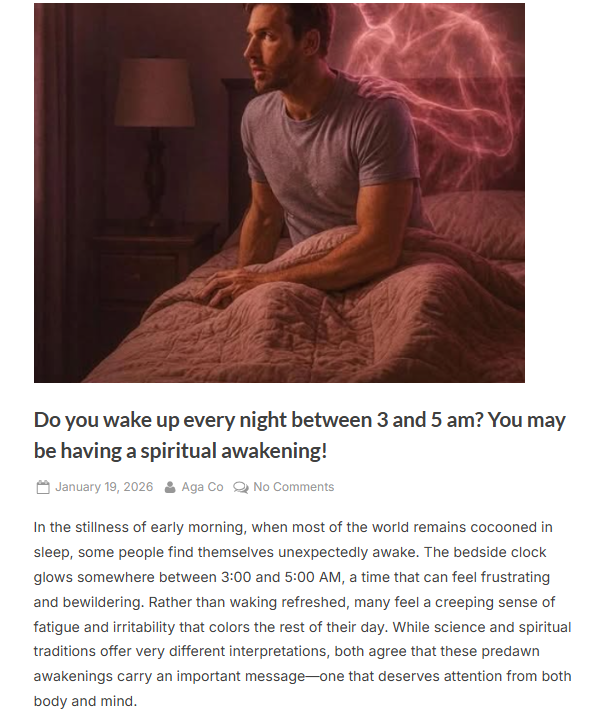

Sleep readiness is not an on-off switch; it is a gradual process. The body needs time to transition from alertness to rest. When evenings are overstimulating, this transition is disrupted. Conversely, when stimulation is intentionally reduced, the nervous system begins to shift toward a state that supports relaxation, hormonal balance, and restorative sleep.
Understanding Stimulation and the Nervous System
Stimulation refers to sensory, cognitive, and emotional inputs that activate the brain and nervous system. Bright lights, loud sounds, intense conversations, fast-paced media, and demanding tasks all increase stimulation. These inputs activate the sympathetic nervous system, which is responsible for alertness and the “fight or flight” response.
Low-stimulation evenings support activation of the parasympathetic nervous system, often described as the “rest and digest” mode. This system slows the heart rate, lowers blood pressure, and promotes relaxation. When parasympathetic activity dominates, the body becomes more receptive to sleep.
Sleep readiness improves when the nervous system is given consistent signals that it is safe to slow down. Calm evenings provide those signals repeatedly, training the body to associate nighttime with rest rather than alertness.
The Role of Circadian Rhythm
The circadian rhythm is the body’s internal 24-hour clock that regulates sleep, wakefulness, hormone release, body temperature, and metabolism. This rhythm is highly sensitive to light, activity levels, and routine.
Low-stimulation evenings help reinforce the natural circadian rhythm by creating a clear contrast between day and night. During the day, higher stimulation from light, movement, and mental engagement supports alertness. In the evening, reduced stimulation signals that the active part of the day is ending.
When evenings remain highly stimulating, the circadian rhythm becomes confused. The brain continues to receive cues associated with daytime alertness, delaying the release of melatonin, the hormone responsible for initiating sleep. By lowering stimulation, melatonin production increases naturally, making it easier to feel sleepy at an appropriate time.
Light Exposure and Melatonin Production
One of the most important aspects of stimulation is light, particularly artificial light from screens and overhead lighting. Bright and blue-toned light suppresses melatonin production. When melatonin is delayed, sleep onset becomes more difficult, and sleep quality may decline.
Low-stimulation evenings typically involve dimmer lighting and reduced screen use. Softer, warmer light supports the body’s natural hormonal shift toward sleep. As melatonin levels rise, the body temperature slightly drops, muscles relax, and the brain transitions into a state more conducive to rest.
This process cannot be rushed. Melatonin builds gradually, which is why a calm evening routine is more effective than attempting to “force” sleep by going to bed earlier without reducing stimulation beforehand.
Mental Stimulation and Cognitive Arousal
Mental activity plays a major role in sleep readiness. Problem-solving, intense discussions, emotionally charged content, and constant information intake keep the brain in an active state. Even if the body feels tired, the mind may remain alert.
Low-stimulation evenings reduce cognitive arousal by limiting activities that require sustained focus or emotional processing. Calm activities such as gentle reading, light stretching, or quiet reflection allow mental activity to slow naturally.
When the brain is not flooded with new information late at night, it has an opportunity to process the day and transition into sleep-friendly brainwave patterns. This reduction in mental stimulation is especially important for people who experience racing thoughts or anxiety at bedtime.
Emotional Regulation and Stress Reduction
Evenings are often when stress accumulates. If the evening is filled with stimulating or stressful activities, cortisol levels may remain elevated. Cortisol is a stress hormone that promotes alertness and directly interferes with sleep readiness.
Low-stimulation evenings help lower cortisol levels by creating a sense of safety and predictability. Calm routines signal that demands are decreasing and that rest is approaching. Over time, this reduces baseline stress levels and improves the body’s ability to relax at night.
Emotional regulation also improves when evenings are less stimulating. Quiet time allows emotions to settle rather than being amplified by external inputs. This emotional calmness contributes to smoother sleep onset and fewer nighttime awakenings.
Habit Formation and Sleep Conditioning
Sleep is strongly influenced by conditioning. The brain learns to associate certain behaviors and environments with sleep or wakefulness. Low-stimulation evenings create consistent patterns that strengthen the association between nighttime and rest.
When evenings follow a predictable rhythm of calming activities, the body begins to anticipate sleep automatically. This anticipation leads to earlier feelings of sleepiness and a smoother transition into sleep. Over time, this conditioning can significantly reduce insomnia symptoms and improve overall sleep efficiency.
In contrast, highly variable or stimulating evenings prevent the formation of strong sleep cues. The brain receives mixed signals, making it harder to recognize when it is time to rest.
Physical Relaxation and Muscle Tension
Physical stimulation also affects sleep readiness. Intense exercise, rapid movements, or physically demanding tasks late in the evening can increase heart rate and body temperature. Elevated body temperature delays sleep onset because the body needs to cool down to initiate sleep.
Low-stimulation evenings encourage gentle physical states. Light movement, slow breathing, and relaxed postures help muscles release tension accumulated during the day. As muscle tension decreases, the body feels heavier and more grounded, which supports sleep readiness.
This physical relaxation also reduces discomfort that can interfere with falling asleep, such as restlessness or the need to constantly change positions in bed.
Digital Overstimulation and Sleep Disruption
Modern evenings are often dominated by digital devices. Notifications, social media, videos, and fast-scrolling content provide constant stimulation. Even passive screen use keeps the brain alert by delivering unpredictable rewards and information.
Low-stimulation evenings intentionally reduce digital engagement. This allows attention to settle and reduces the dopamine-driven stimulation associated with digital platforms. As digital input decreases, mental noise quiets, making it easier to disconnect from the day.
Reducing digital stimulation does not mean complete deprivation, but rather mindful limitation. Even small reductions in screen intensity and duration can noticeably improve sleep readiness.
Long-Term Benefits of Low-Stimulation Evenings
The benefits of low-stimulation evenings extend beyond falling asleep faster. Over time, they contribute to deeper sleep stages, improved sleep consistency, and better overall health. Quality sleep supports immune function, cognitive performance, emotional resilience, and metabolic balance.
People who regularly practice low-stimulation evenings often report improved morning energy, better mood stability, and reduced reliance on stimulants. These benefits create a positive feedback loop, making it easier to maintain healthy sleep habits.
Importantly, low-stimulation evenings are not about restriction, but about alignment. They align behavior with the body’s natural design, allowing sleep to occur as a biological process rather than a struggle.
Conclusion
Low-stimulation evenings improve sleep readiness by supporting the body’s natural transition from wakefulness to rest. By reducing sensory, mental, and emotional stimulation, the nervous system shifts toward relaxation, circadian rhythms remain balanced, and sleep hormones are released at the right time.
In a world filled with constant input, creating calm evenings is a powerful yet simple way to enhance sleep quality. Sleep is not something that can be forced at bedtime; it is prepared for throughout the evening. When stimulation is reduced consistently, sleep becomes easier, deeper, and more restorative, supporting long-term health and well-being.