
In a world that constantly rewards speed, immediacy, and constant availability, emotional instability has quietly become a common experience. Many people feel overwhelmed, reactive, mentally scattered, or chronically stressed without fully understanding why. One powerful yet often overlooked solution lies in intentional pacing—the conscious choice to regulate the speed at which we think, act, decide, and move through life. Emotional steadiness is not something that appears by chance; it is cultivated through rhythm, awareness, and deliberate pauses. Intentional pacing creates the internal conditions necessary for calm, resilience, and long-term emotional balance.
Intentional pacing does not mean slowing down everything or rejecting productivity. Instead, it involves aligning actions with capacity, energy, and emotional needs. When life is lived at an unmanaged pace, emotions tend to spike and crash rapidly. Anxiety grows when everything feels urgent. Frustration increases when the mind has no time to process experiences. Emotional steadiness emerges when pace becomes intentional rather than reactive. By choosing how fast or slow to move through situations, individuals regain control over their emotional responses.
One of the primary reasons intentional pacing supports emotional steadiness is that it reduces cognitive overload. The human brain is not designed to process endless streams of information, decisions, and stimuli without rest. When the pace of life is too fast, the nervous system remains in a constant state of alert. This leads to emotional volatility, where small challenges feel overwhelming and minor setbacks trigger disproportionate reactions. Slowing the pace allows the brain to complete emotional processing, resulting in more measured and stable responses.
Emotional steadiness also depends on the ability to pause between stimulus and response. Intentional pacing creates space for this pause. Instead of reacting impulsively to stress, criticism, or unexpected events, a paced approach allows time for reflection. This moment of awareness helps individuals respond thoughtfully rather than emotionally. Over time, this practice strengthens emotional regulation and builds a sense of internal stability that is not easily shaken by external circumstances.
Another important aspect of intentional pacing is its effect on self-awareness. When life moves too quickly, emotions often go unnoticed until they erupt. Slowing down helps people recognize subtle emotional shifts before they intensify. This awareness makes it easier to address emotions early, whether through rest, communication, or adjustment of expectations. Emotional steadiness thrives when feelings are acknowledged rather than suppressed or ignored.
Intentional pacing also supports emotional balance by preventing burnout. Burnout is not simply the result of hard work; it is the result of sustained effort without adequate recovery. Emotionally, burnout manifests as irritability, numbness, hopelessness, or chronic fatigue. By pacing work, responsibilities, and personal commitments, individuals create natural recovery periods that allow emotional reserves to replenish. This balance makes it easier to remain steady even during demanding seasons of life.
The role of intentional pacing extends beyond individual moments and shapes long-term emotional health. People who consistently rush tend to live in a future-focused mindset, always anticipating the next task or outcome. This habit fuels anxiety and dissatisfaction. Intentional pacing brings attention back to the present moment, where emotional stability is more accessible. When the mind is grounded in the present, worries about what might happen lose their intensity, and emotional equilibrium becomes easier to maintain.
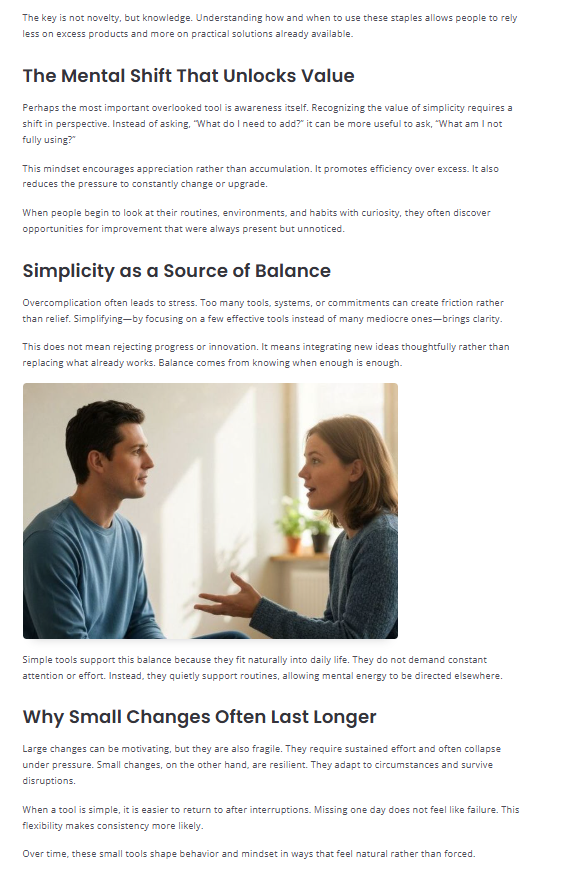
Relationships also benefit from intentional pacing. Emotional steadiness is essential for healthy communication, empathy, and conflict resolution. When conversations are rushed, misunderstandings increase and emotional reactions escalate quickly. Slowing down interactions allows space for listening, reflection, and clarity. This creates safer emotional environments where trust can grow and conflicts can be resolved without unnecessary emotional harm.
Intentional pacing encourages healthier boundaries, which are essential for emotional stability. Without boundaries, people often overcommit, leading to resentment and emotional exhaustion. Pacing helps individuals evaluate what they can realistically handle without compromising their emotional well-being. Saying no, delaying decisions, or spreading responsibilities over time are all expressions of pacing that protect emotional steadiness.
The physical body plays a crucial role in emotional regulation, and intentional pacing supports this connection. Rapid schedules often disrupt sleep, breathing patterns, and digestion, all of which influence emotional health. Slower, more deliberate pacing allows the body to remain in a regulated state, reducing stress hormones and promoting emotional calm. Simple changes, such as slowing down meals, allowing transitions between activities, or incorporating moments of stillness, can have a profound emotional impact.
Intentional pacing also enhances decision-making, which contributes to emotional steadiness. Fast decisions made under pressure often lead to regret, self-doubt, and emotional turmoil. When decisions are paced, individuals can consider consequences, values, and emotional readiness. This reduces internal conflict and builds confidence, which stabilizes emotions over time.
From a psychological perspective, intentional pacing strengthens emotional resilience. Resilience is not the absence of emotional challenges but the ability to recover from them. By pacing reactions and recovery periods, individuals avoid emotional extremes. They learn that it is acceptable to slow down after setbacks, process emotions fully, and re-engage when ready. This approach fosters a steady emotional baseline that supports long-term mental health.
In professional environments, intentional pacing can counteract the culture of constant urgency. While productivity is often measured by speed, emotional steadiness improves performance, creativity, and leadership. Employees and leaders who pace themselves are better equipped to handle pressure, collaborate effectively, and make thoughtful decisions. Emotional steadiness in the workplace reduces conflict, burnout, and turnover, benefiting both individuals and organizations.
Intentional pacing is also closely linked to mindfulness. Mindfulness involves paying attention to the present moment without judgment, and pacing naturally supports this awareness. When actions are deliberate rather than rushed, attention deepens. This presence allows emotions to be experienced without being overwhelming. Over time, mindfulness through pacing creates emotional steadiness that is both sustainable and self-reinforcing.
Importantly, intentional pacing is a skill that can be learned and refined. It begins with recognizing patterns of rushing, overcommitting, or multitasking excessively. Small adjustments, such as scheduling buffer time, practicing slow breathing, or focusing on one task at a time, gradually retrain the nervous system. These changes may seem minor, but their cumulative effect on emotional steadiness is significant.
The emotional steadiness created by intentional pacing extends into long-term life satisfaction. When life is lived at a manageable pace, joy becomes more accessible. Moments are experienced more fully, and emotional highs and lows become less extreme. This balance allows individuals to navigate challenges without losing themselves in stress or reactivity.
In conclusion, intentional pacing is a powerful foundation for emotional steadiness in modern life. By consciously regulating the speed of thoughts, actions, and commitments, individuals create space for awareness, recovery, and thoughtful response. Emotional steadiness is not achieved through avoidance of challenges but through the ability to meet them with calm and clarity. In a fast-moving world, choosing to pace intentionally is not a weakness; it is a strength that supports emotional health, resilience, and a more grounded way of living.