
In a world that constantly glorifies speed, productivity, and multitasking, the idea of slowing down can feel counterintuitive—even uncomfortable. Modern lifestyles often reward those who do more in less time, pushing individuals toward packed schedules and endless to-do lists. Yet, beneath this fast-paced rhythm lies a growing emotional toll. Anxiety, burnout, and chronic stress have become increasingly common, signaling a deeper imbalance in how people manage their time and energy. Embracing a slower daily pace is not about laziness or inefficiency; rather, it is a powerful and intentional approach to nurturing emotional health and achieving sustainable well-being.
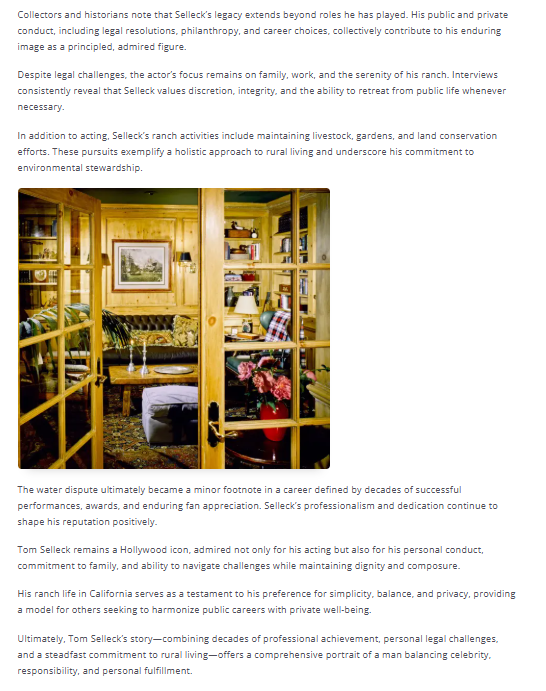
At its core, slow daily pacing means deliberately structuring your day to allow for pauses, mindful transitions, and moments of reflection. It is about prioritizing quality over quantity and being fully present in each activity instead of rushing through tasks. This shift in approach can have profound effects on emotional stability, helping individuals feel more grounded, resilient, and connected to themselves.
One of the primary benefits of slow pacing is its ability to reduce stress. When people rush from one task to another, their bodies remain in a heightened state of alertness, often referred to as the “fight or flight” response. This continuous activation of stress hormones can lead to emotional exhaustion over time. Slowing down interrupts this cycle by giving the nervous system an opportunity to reset. Simple practices such as taking a few deep breaths between tasks, walking at a relaxed pace, or allowing extra time for daily routines can signal to the body that it is safe to relax. As a result, individuals experience lower levels of anxiety and a greater sense of calm.
Beyond stress reduction, slow daily pacing enhances emotional awareness. When life moves too quickly, there is little room to process thoughts and feelings. Emotions can become suppressed or ignored, only to resurface later in more intense or disruptive ways. By slowing down, individuals create space to notice and understand their emotional states. This awareness is crucial for emotional regulation, as it allows people to respond thoughtfully rather than react impulsively. For example, someone who takes time to reflect on their frustration is more likely to communicate effectively than someone who reacts in the heat of the moment.
Another important aspect of slow pacing is its impact on mental clarity. A hurried mind is often cluttered, jumping from one thought to another without resolution. This mental chaos can contribute to feelings of overwhelm and indecision. In contrast, a slower pace encourages focus and intentional thinking. When individuals dedicate uninterrupted time to a single task, they are better able to engage deeply and produce meaningful results. This sense of accomplishment not only boosts confidence but also supports emotional well-being by reducing feelings of inadequacy or self-doubt.
Slow living also fosters stronger connections—both with oneself and with others. Relationships often suffer when people are constantly distracted or preoccupied. Taking the time to truly listen, engage in meaningful conversations, and share experiences without rushing strengthens emotional bonds. Similarly, slowing down allows individuals to reconnect with themselves. Activities such as journaling, meditation, or simply sitting in silence can help people tune into their inner thoughts and values. This self-connection is essential for emotional health, as it provides a stable foundation for navigating life’s challenges.
In addition, slow daily pacing encourages healthier habits. When individuals are constantly in a rush, they are more likely to skip meals, rely on unhealthy food options, or neglect physical activity. Over time, these habits can negatively impact both physical and emotional health. Slowing down creates opportunities to make more mindful choices, such as preparing nutritious meals, enjoying regular exercise, and getting adequate rest. These lifestyle changes contribute to improved mood, increased energy levels, and overall emotional balance.
Creativity is another area that benefits from a slower pace. The mind needs space to wander and explore new ideas, something that is difficult to achieve in a tightly packed schedule. Many creative insights occur during moments of rest or leisure, when the brain is not focused on immediate tasks. By incorporating periods of unstructured time into the day, individuals can tap into their creative potential and experience a greater sense of fulfillment. This creative expression can also serve as a valuable outlet for processing emotions and reducing stress.
Moreover, slow pacing aligns closely with mindfulness, a practice that has been widely recognized for its positive effects on emotional health. Mindfulness involves paying attention to the present moment without judgment, and it naturally complements a slower lifestyle. Whether it is savoring a meal, enjoying a walk, or focusing on the rhythm of breathing, these mindful moments can significantly enhance emotional well-being. They help individuals appreciate the small joys of life and cultivate a sense of gratitude, which has been linked to increased happiness and reduced depression.
It is important to note that adopting a slower pace does not require a complete overhaul of one’s life. Small, consistent changes can make a significant difference. For instance, starting the day without immediately checking emails or social media can set a calmer tone. Scheduling short breaks between tasks, limiting multitasking, and setting realistic expectations are practical steps toward a more balanced routine. Over time, these habits can transform the way individuals experience their daily lives.
Despite its many benefits, slowing down can be challenging in a culture that values constant productivity. People may feel guilty or fear falling behind if they are not always busy. However, it is essential to recognize that emotional health is not a luxury—it is a necessity. A slower pace does not mean doing less; it means doing things more intentionally and effectively. In fact, individuals who prioritize their well-being often find that they are more productive and better equipped to handle responsibilities.
Another common misconception is that slow living is only accessible to those with flexible schedules or fewer obligations. In reality, anyone can incorporate elements of slow pacing into their day, regardless of their circumstances. It is about making conscious choices within the constraints of one’s life. Even in demanding environments, moments of pause and reflection can be integrated in meaningful ways.
The long-term impact of slow daily pacing on emotional health is profound. Individuals who embrace this approach often report feeling more balanced, less reactive, and more satisfied with their lives. They develop a deeper understanding of themselves and build stronger, more authentic relationships. Over time, these benefits contribute to a greater sense of purpose and resilience, enabling individuals to navigate challenges with confidence and grace.
In conclusion, slow daily pacing is a powerful yet often overlooked tool for nurturing emotional health. By reducing stress, enhancing emotional awareness, improving mental clarity, and fostering meaningful connections, it creates a foundation for lasting well-being. In a fast-paced world, choosing to slow down is not a sign of weakness but an act of self-care and intentional living. As more people begin to recognize the value of this approach, it has the potential to transform not only individual lives but also the broader culture, shifting the focus from constant busyness to genuine fulfillment and emotional balance.