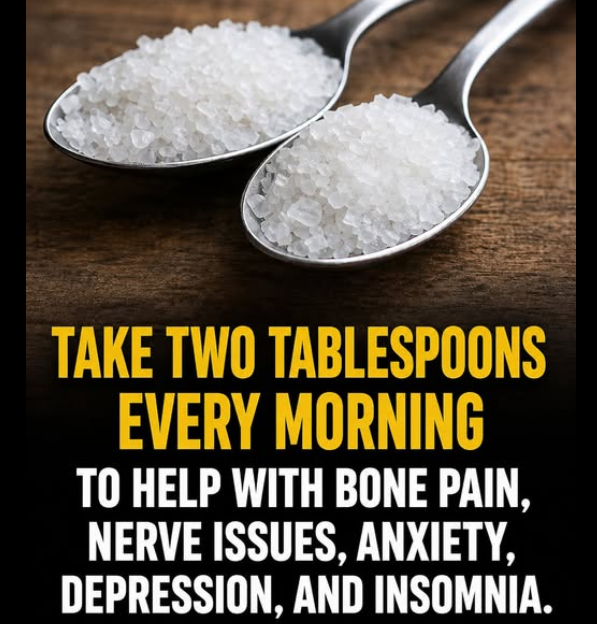
Strong bones are an important part of overall health, yet bone health is often overlooked until problems begin to appear. Bones provide structure, protect vital organs, support movement, and store important minerals such as calcium. As people grow older, maintaining bone strength becomes increasingly important because bone density can gradually decline. Fortunately, everyday nutrition can play an important role in supporting healthy bones.
Calcium is one of the most well-known nutrients associated with bone health. It helps maintain the structure and strength of bones throughout life. Dairy products such as milk, yogurt, and cheese can provide substantial amounts of calcium, but they are not the only options. Leafy green vegetables, calcium-fortified foods, tofu prepared with calcium, almonds, beans, and certain fish can also contribute to daily calcium intake. Including different calcium-rich foods in regular meals can make it easier to meet nutritional needs without depending on a single food.
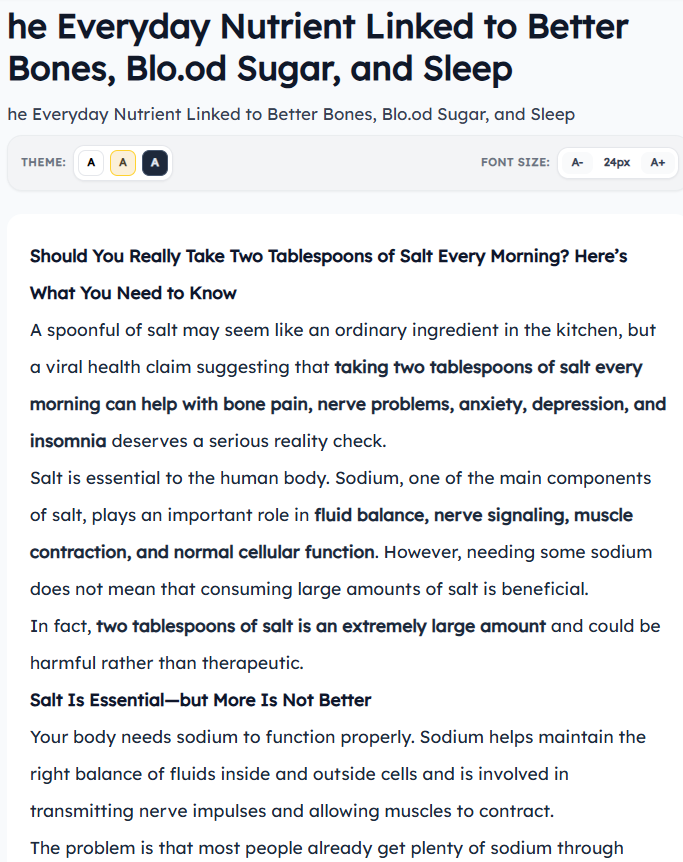
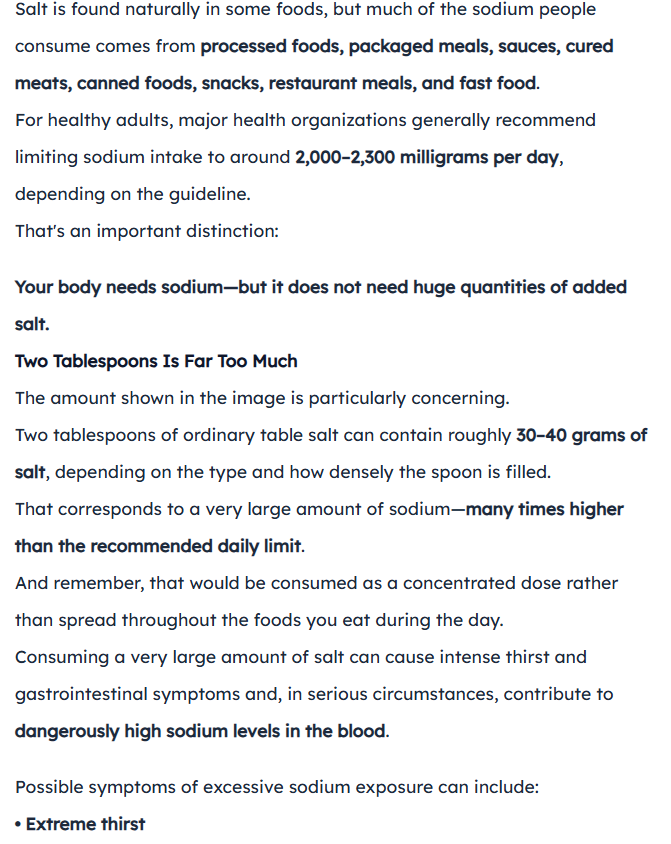
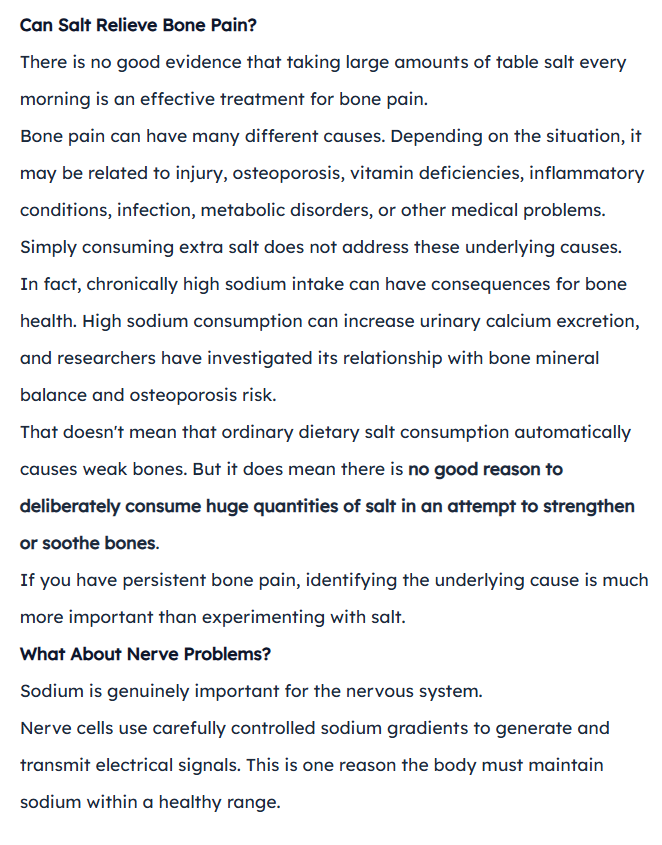
Vitamin D is equally important because the body needs it to absorb calcium efficiently. Without enough vitamin D, consuming calcium-rich foods may not provide the full benefit for bone health. Fatty fish such as salmon, sardines, and trout are useful food sources. Egg yolks and fortified foods can also provide vitamin D. Safe exposure to sunlight may help the body produce vitamin D, although the amount produced varies according to factors such as skin type, season, location, clothing, and time spent outdoors.
Protein is another important component of healthy bones. Bones contain a significant amount of protein, and adequate protein intake supports the body’s tissues and muscles as well. Eggs, poultry, fish, beans, lentils, yogurt, nuts, seeds, and soy foods can all contribute protein to the diet. A balanced diet that includes adequate protein can also help maintain muscle strength, which is important because stronger muscles can support movement and physical activity.
Leafy green vegetables deserve special attention because they provide several nutrients that can support overall bone health. Vegetables such as kale, broccoli, spinach, and other greens contain vitamins and minerals that contribute to a nutritious diet. Rather than focusing on one so-called superfood, it is generally more beneficial to eat a variety of vegetables throughout the week.
Fatty fish can be particularly valuable because they provide protein and vitamin D, while many varieties also contain omega-3 fatty acids. Salmon, sardines, and trout can be included in meals in different ways, such as grilled, baked, or added to salads. People who do not eat fish can obtain healthy fats from foods such as walnuts, chia seeds, and flaxseeds, although these foods do not provide the same nutrients in exactly the same forms.
Nuts and seeds can also be useful additions to a bone-supportive eating pattern. Almonds, sesame seeds, chia seeds, and pumpkin seeds contain minerals and other nutrients. Because nuts and seeds are energy-dense, moderate portions can be incorporated into breakfast, snacks, salads, or homemade meals.
Beans and lentils are affordable sources of protein and provide several minerals. Chickpeas, kidney beans, black beans, lentils, and other legumes can be used in soups, curries, salads, and other dishes. For people looking to improve their diet without relying heavily on expensive foods, legumes can be a practical choice.
Fruit also has a place in a balanced diet for bone health. Fruits provide vitamins, minerals, fiber, and plant compounds that contribute to overall nutrition. Oranges, berries, bananas, apples, guava, and other fruits can be included throughout the day. Fruit should not be viewed as a replacement for calcium-rich foods, but as part of a diverse eating pattern.
Whole grains can provide useful nutrients as well. Oats, brown rice, whole-grain bread, barley, and other minimally processed grains can help create balanced meals. Combining whole grains with protein-rich foods and vegetables can make meals more satisfying and nutritionally varied.
At the same time, bone health is not determined by food alone. Regular physical activity is also important. Weight-bearing activities such as walking, dancing, stair climbing, and appropriately designed strength exercises can help support bones and muscles. People who have existing bone conditions or physical limitations should discuss appropriate exercise with a qualified healthcare professional.
It is also helpful to avoid relying on excessive amounts of highly processed foods while neglecting nutrient-rich choices. A diet consistently high in added sugars and low in essential nutrients can make it more difficult to maintain overall nutritional quality. Excessive alcohol consumption and smoking can also negatively affect bone health.
The most effective approach is usually simple rather than complicated. Instead of searching for one food that can dramatically strengthen bones, build meals around a variety of nutrient-rich foods. A breakfast might include yogurt, fruit, and nuts. Lunch could contain beans, vegetables, and whole grains. Dinner might include fish or another protein source alongside vegetables. Small nutritional choices repeated consistently can contribute to better long-term health.
People with certain medical conditions, nutritional deficiencies, digestive disorders, or medications that affect bone metabolism may have different nutritional needs. In such cases, individualized advice from a healthcare professional is more appropriate than making major dietary changes independently.
Strong bones are supported by a combination of adequate nutrition, regular movement, healthy lifestyle habits, and appropriate medical care when needed. Eating calcium-rich foods, getting sufficient vitamin D, consuming enough protein, choosing a variety of vegetables and fruits, and staying physically active can all contribute to a healthier foundation for bone health. The goal is not a perfect diet but a consistent pattern of nutritious choices that can be maintained over time.