Anxiety is one of the most common mental health challenges affecting adults worldwide. Fast-paced lifestyles, work pressure, financial responsibilities, and constant digital stimulation contribute to increased stress and anxiety levels. While therapy and medication are important treatment options for many individuals, physical activity has proven to be a powerful, natural, and accessible way to manage anxiety.

This detailed article explores how physical activity helps reduce anxiety, the science behind it, the best exercises for anxiety relief, and practical strategies to incorporate movement into daily life.
Understanding Anxiety
Anxiety is more than occasional worry or nervousness. It can involve persistent fear, tension, racing thoughts, restlessness, and physical symptoms such as:
- Rapid heartbeat
- Sweating
- Muscle tension
- Shortness of breath
- Difficulty concentrating
Chronic anxiety can interfere with daily functioning and reduce overall quality of life. Fortunately, lifestyle changes—including regular exercise—can significantly reduce symptoms.
How Physical Activity Reduces Anxiety
Physical activity influences both the brain and body in ways that directly combat anxiety. Here’s how:
1. Releases Endorphins
Exercise stimulates the release of endorphins, often called “feel-good” hormones. These natural chemicals improve mood and create a sense of calm and well-being.
Even moderate exercise such as brisk walking can trigger this positive response.
2. Reduces Stress Hormones
Physical activity lowers levels of stress hormones like cortisol and adrenaline. Chronic stress keeps the body in a “fight or flight” state, which can worsen anxiety symptoms. Exercise helps regulate this stress response.
3. Improves Sleep Quality
Anxiety and poor sleep often go hand in hand. Regular physical activity helps improve sleep duration and quality, which in turn reduces anxiety symptoms.
Better sleep enhances emotional regulation and resilience to stress.
4. Promotes Mind-Body Awareness
Certain exercises like yoga and tai chi encourage mindfulness, deep breathing, and body awareness. These practices help calm racing thoughts and bring attention to the present moment.
5. Builds Confidence and Control
Setting and achieving fitness goals builds self-confidence. This sense of accomplishment can reduce feelings of helplessness often associated with anxiety.
The Science Behind Exercise and Anxiety
Research shows that physical activity stimulates the production of neurotransmitters such as serotonin and dopamine, which regulate mood and emotional stability. Low levels of these chemicals are often linked to anxiety disorders.
Exercise also increases brain-derived neurotrophic factor (BDNF), which supports brain health and cognitive function. This may help reduce anxiety-related brain activity over time.
Regular movement literally changes the brain in ways that promote calmness and emotional balance.
Best Types of Physical Activity for Anxiety Relief
Different forms of exercise offer unique mental health benefits. Here are the most effective options:
1. Aerobic Exercise
Aerobic activities increase heart rate and improve oxygen circulation. Examples include:
- Brisk walking
- Jogging
- Cycling
- Swimming
- Dancing
Studies suggest that 20–30 minutes of moderate aerobic exercise can significantly reduce anxiety symptoms.
2. Strength Training
Weightlifting and resistance exercises improve muscle strength and boost confidence. Strength training also helps regulate hormones and improve sleep quality.
You don’t need a gym—bodyweight exercises like squats, push-ups, and lunges are effective.
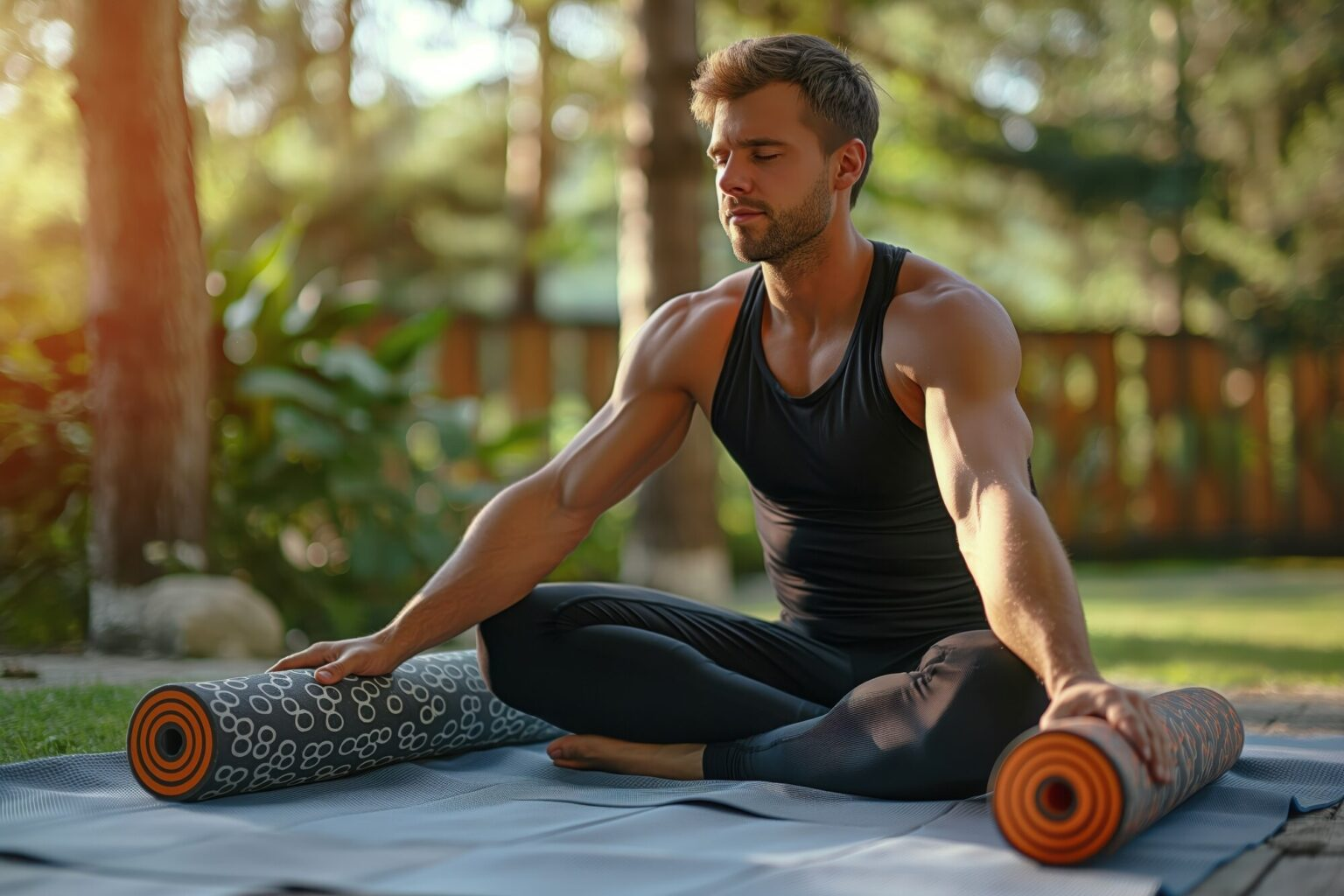
3. Yoga
Yoga combines physical movement with controlled breathing and meditation. It is particularly beneficial for individuals with chronic anxiety.
Benefits include:
- Reduced muscle tension
- Improved breathing patterns
- Enhanced mindfulness
- Lower stress levels
Practicing yoga 2–3 times per week can produce noticeable improvements.
4. Tai Chi and Low-Impact Exercises
Slow, controlled movements combined with deep breathing make tai chi an excellent option for anxiety management. It is especially helpful for beginners or those with joint issues.
5. Outdoor Activities
Spending time outdoors amplifies the mental health benefits of exercise. Activities like hiking, walking in parks, or gardening combine physical movement with exposure to nature, which has calming effects.
How Much Exercise Is Needed?
For anxiety management, experts generally recommend:
- At least 150 minutes of moderate-intensity exercise per week
- Or 75 minutes of vigorous activity
- Strength training twice per week
However, even small amounts of physical activity are beneficial. Starting with just 10 minutes per day can make a difference.
Consistency matters more than intensity.
Practical Tips to Use Exercise for Anxiety Relief
If anxiety makes it hard to get started, these strategies can help:
1. Start Small
Begin with short sessions like a 10-minute walk. Gradually increase duration and intensity.
2. Choose Enjoyable Activities
You’re more likely to stick with exercise if you enjoy it. Try different activities to find what feels good.
3. Schedule Workouts
Treat exercise like an important appointment. Consistency builds habit and long-term benefits.
4. Focus on Breathing
Deep, controlled breathing during exercise helps calm the nervous system.
5. Exercise in the Morning
Morning workouts can reduce anxiety levels throughout the day.
Immediate vs Long-Term Benefits
Physical activity provides both immediate and long-term anxiety relief.
Immediate Benefits:
- Improved mood
- Reduced muscle tension
- Clearer thinking
Long-Term Benefits:
- Improved stress tolerance
- Better sleep patterns
- Increased emotional resilience
- Reduced frequency and intensity of anxiety episodes
Over time, exercise trains the body to respond to stress more effectively.
Combining Exercise with Other Anxiety Management Strategies
While physical activity is powerful, it works best when combined with other healthy habits:
- Balanced nutrition
- Adequate sleep
- Mindfulness practices
- Social connection
- Professional support when needed
Exercise should complement, not replace, medical treatment if anxiety is severe.
Overcoming Common Barriers
Many people struggling with anxiety face obstacles when trying to exercise:
Lack of Motivation:
Start with low-effort activities like stretching or walking.
Fatigue:
Light exercise can actually increase energy levels.
Fear of Public Spaces:
Home workouts or online classes can be a comfortable starting point.
Busy Schedule:
Break exercise into shorter 10-minute sessions throughout the day.
Remember, progress is gradual. Small steps lead to meaningful changes.
Warning Signs to Watch For
While exercise is generally safe, individuals with severe anxiety or panic disorders may experience temporary discomfort during intense workouts. If symptoms worsen or feel overwhelming, consult a healthcare professional before continuing.
Always listen to your body and avoid overexertion.
Final Thoughts
Managing anxiety through physical activity is one of the most effective natural strategies available. Exercise helps regulate brain chemistry, reduce stress hormones, improve sleep, and build emotional resilience. Whether it’s a brisk walk, strength training session, yoga practice, or outdoor adventure, consistent movement can significantly reduce anxiety symptoms.
You don’t need to become an athlete to experience benefits. Start small, stay consistent, and choose activities that bring joy and calm. Over time, physical activity can become a powerful tool in maintaining both mental and physical well-being.



