
High blood pressure, also known as hypertension, is one of the most common chronic health conditions worldwide. Often called the “silent killer,” it usually has no obvious symptoms but significantly increases the risk of heart disease, stroke, and kidney problems. The good news is that managing blood pressure through diet is not only possible but highly effective.


This comprehensive guide explains how dietary choices impact blood pressure, which foods to include, what to avoid, and how to create a sustainable meal plan for long-term heart health.
Understanding Blood Pressure and Its Risks
Blood pressure measures the force of blood pushing against the walls of your arteries. It is recorded as two numbers:
- Systolic pressure (top number): Pressure when the heart beats
- Diastolic pressure (bottom number): Pressure when the heart rests between beats
Normal blood pressure is generally considered around 120/80 mm Hg. Consistently higher readings may indicate hypertension.
If left unmanaged, high blood pressure can lead to:
- Heart disease
- Stroke
- Kidney damage
- Vision problems
- Cognitive decline
While medications are sometimes necessary, dietary and lifestyle modifications can significantly reduce blood pressure levels and may even prevent the need for medication in early stages.
How Diet Affects Blood Pressure
The foods you eat directly influence:
- Fluid balance in the body
- Blood vessel flexibility
- Hormone regulation
- Sodium and potassium levels
- Body weight
A diet high in sodium, unhealthy fats, and processed foods can raise blood pressure. On the other hand, nutrient-rich foods help relax blood vessels, reduce inflammation, and improve heart health.
Managing blood pressure through diet focuses on:
- Reducing sodium intake
- Increasing potassium, magnesium, and calcium
- Eating more fiber
- Maintaining a healthy weight
Key Nutrients That Help Control Blood Pressure
1. Potassium
Potassium helps balance sodium levels in the body and relaxes blood vessel walls, lowering blood pressure.
Potassium-rich foods include:
- Bananas
- Oranges
- Spinach
- Sweet potatoes
- Beans
- Yogurt
- Avocados
Increasing potassium intake can counteract the harmful effects of excess sodium.
2. Magnesium
Magnesium supports blood vessel relaxation and helps regulate blood pressure naturally.
Good sources of magnesium:
- Almonds
- Pumpkin seeds
- Whole grains
- Dark leafy greens
- Black beans
3. Calcium
Calcium plays a role in proper blood vessel contraction and dilation.
Calcium-rich foods:
- Low-fat milk
- Greek yogurt
- Tofu
- Sardines
- Leafy greens
4. Fiber
High-fiber diets are associated with lower blood pressure and improved heart health.
High-fiber foods:
- Oats
- Brown rice
- Lentils
- Apples
- Chia seeds
The Importance of Reducing Sodium
One of the most critical dietary steps in controlling hypertension is reducing sodium intake.
Excess sodium causes the body to retain water, increasing blood volume and raising blood pressure. Most people consume far more sodium than recommended, largely from processed and packaged foods.
Recommended Sodium Intake
- Ideally: Less than 1,500 mg per day
- Maximum: 2,300 mg per day
Common High-Sodium Foods to Limit
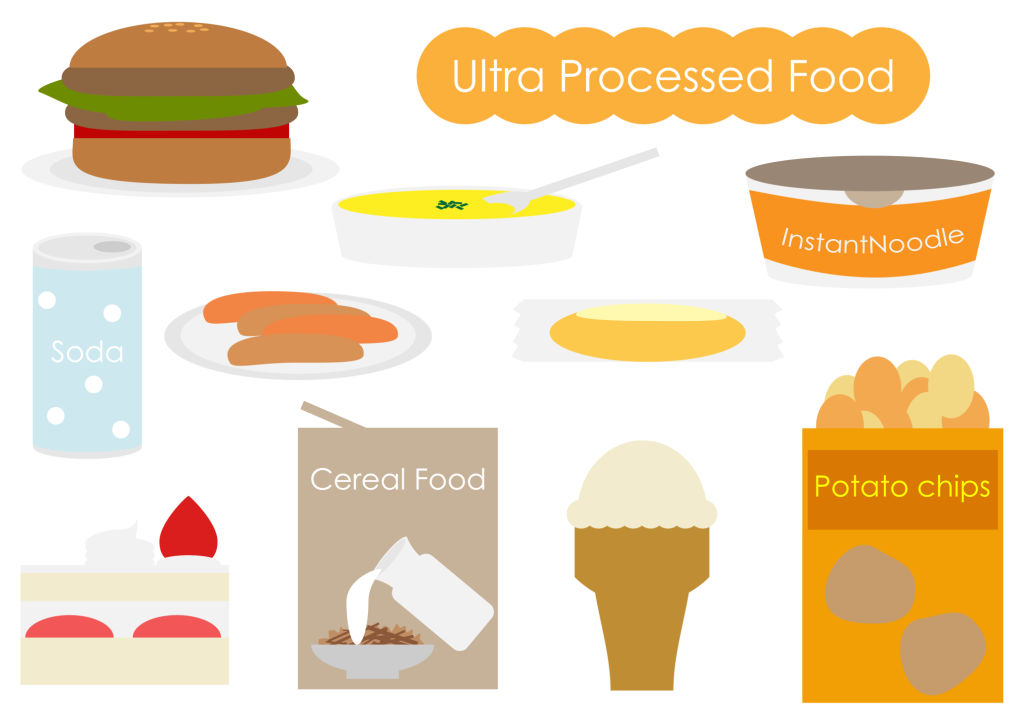
- Processed meats (sausages, bacon, deli meats)
- Canned soups
- Fast food
- Frozen dinners
- Salty snacks (chips, pretzels)
- Store-bought sauces and dressings
Tips to Reduce Sodium
- Cook at home more often
- Use herbs and spices instead of salt
- Read food labels carefully
- Choose fresh or frozen vegetables over canned varieties
- Rinse canned beans before use
Small sodium reductions can lead to noticeable improvements in blood pressure within weeks.
Best Dietary Patterns for Managing Blood Pressure
Rather than focusing on single foods, it’s more effective to adopt an overall healthy eating pattern.
1. Emphasize Whole Foods
Whole, minimally processed foods naturally contain less sodium and more nutrients.
Focus on:
- Fresh vegetables
- Fruits
- Whole grains
- Lean proteins
- Healthy fats
2. Increase Plant-Based Meals
Plant-based diets are linked to lower blood pressure due to higher fiber, potassium, and antioxidant levels.
Consider:
- Meatless meals several times per week
- Replacing red meat with beans or lentils
- Using nuts and seeds as protein sources
3. Choose Healthy Fats
Unhealthy saturated and trans fats contribute to arterial stiffness and heart disease.
Replace them with:
- Olive oil
- Avocados
- Fatty fish like salmon
- Nuts and seeds
These heart-healthy fats improve cholesterol levels and support vascular function.
Foods That Naturally Lower Blood Pressure
Certain foods have been shown to help reduce blood pressure naturally.
Leafy Greens
Spinach, kale, and arugula are rich in potassium and nitrates, which help relax blood vessels.
Berries
Blueberries and strawberries contain antioxidants that improve blood vessel function.
Oats
Oats are high in beta-glucan, a soluble fiber that reduces cholesterol and supports heart health.
Garlic
Garlic contains compounds that help widen blood vessels and improve circulation.
Fatty Fish
Salmon and mackerel provide omega-3 fatty acids that reduce inflammation and lower blood pressure.
The Role of Weight Management
Maintaining a healthy weight significantly impacts blood pressure control. Even modest weight loss can reduce readings.
Excess body weight increases strain on the heart and blood vessels. Combining a heart-healthy diet with regular physical activity enhances results.
Strategies for Healthy Weight Control
- Practice portion control
- Eat slowly and mindfully
- Avoid sugary beverages
- Balance calories with activity
Limiting Alcohol and Caffeine
Alcohol
Excessive alcohol consumption raises blood pressure. Moderate intake is recommended:
- Up to one drink per day for women
- Up to two drinks per day for men
Reducing alcohol can lead to measurable blood pressure improvements.
Caffeine
Caffeine may cause temporary spikes in blood pressure. If you are sensitive, consider:
- Limiting coffee intake
- Switching to decaffeinated options
- Monitoring your response after consumption
Sample One-Day Blood Pressure-Friendly Meal Plan
Breakfast
- Oatmeal topped with blueberries and chia seeds
- Low-fat yogurt
- Herbal tea
Mid-Morning Snack
- A banana
- A handful of almonds
Lunch
- Grilled salmon
- Quinoa
- Steamed spinach with olive oil and lemon
Afternoon Snack
- Carrot sticks with hummus
Dinner
- Lentil and vegetable stew
- Side salad with olive oil vinaigrette
- Whole-grain bread
This balanced approach provides potassium, magnesium, fiber, and healthy fats while keeping sodium low.
Reading Food Labels for Better Choices
Understanding nutrition labels is essential for managing blood pressure.
Pay attention to:
- Sodium content per serving
- Serving size
- Added sugars
- Saturated fat levels
Choose products labeled:
- “Low sodium”
- “No added salt”
- “Unsalted”
Being an informed shopper helps maintain long-term dietary success.
Lifestyle Habits That Complement Diet
While diet plays a central role, combining it with other healthy habits enhances blood pressure control.
Regular Exercise
Aim for at least 150 minutes of moderate activity per week, such as brisk walking or cycling.
Stress Management
Chronic stress contributes to elevated blood pressure. Consider:
- Deep breathing exercises
- Meditation
- Yoga
- Adequate sleep
Smoking Cessation
Smoking damages blood vessels and raises blood pressure. Quitting dramatically improves heart health.
Common Mistakes to Avoid
- Relying solely on medication without dietary changes
- Assuming sea salt is healthier than table salt
- Ignoring hidden sodium in sauces and condiments
- Overconsuming “low-fat” processed foods high in sugar
- Skipping meals, leading to overeating later
Consistency is more important than perfection. Small daily improvements create lasting results.
Long-Term Benefits of Managing Blood Pressure Through Diet
Adopting a heart-healthy diet offers benefits beyond blood pressure control:
- Reduced risk of heart disease
- Improved cholesterol levels
- Better blood sugar regulation
- Enhanced energy levels
- Weight stability
- Improved kidney function
These long-term health advantages make dietary changes a powerful preventive strategy.
Final Thoughts
Managing blood pressure through diet is one of the most effective and natural ways to protect your heart and overall health. By reducing sodium, increasing nutrient-rich foods, maintaining a healthy weight, and making consistent lifestyle improvements, you can significantly lower your risk of hypertension-related complications.
The key is sustainability. Focus on gradual, realistic changes rather than drastic short-term diets. With mindful eating and informed food choices, controlling blood pressure becomes a manageable and empowering part of daily life.
A heart-healthy diet is not just about restriction — it’s about nourishing your body with the right foods to support long-term wellness.



