
Emotional awareness is the ability to recognize, understand, and respond to emotions in a healthy and balanced way. In today’s fast-moving world, many people struggle to stay connected with their emotional state because daily life is often filled with distractions, stress, and unpredictability. One of the most effective ways to strengthen emotional awareness is through consistent habits. Small, repeated actions create stability, encourage reflection, and help individuals become more connected to their thoughts and feelings over time.




Consistent habits are not only useful for productivity or physical health. They also play an important role in emotional well-being. When people follow steady routines, they create mental space that allows emotions to be noticed instead of ignored. Predictable habits reduce emotional chaos, improve self-understanding, and support healthier reactions to daily challenges. By developing intentional routines, individuals can better understand their emotional patterns and maintain greater inner balance.
Understanding Emotional Awareness
Emotional awareness involves recognizing emotions as they happen and understanding why they occur. It includes noticing physical sensations, identifying emotional triggers, and understanding how feelings influence behavior. People with strong emotional awareness often communicate more effectively, manage stress better, and maintain healthier relationships.
However, emotional awareness does not develop automatically. Many individuals move through daily life on autopilot without taking time to reflect on their emotional experiences. Busy schedules, constant digital stimulation, and emotional suppression can weaken self-awareness. Consistent habits help counter this problem by creating regular moments of stability and reflection.
When routines become predictable, the mind experiences less overload. This allows people to pay closer attention to their emotional responses instead of constantly reacting to external pressures. Over time, habits create a framework that supports emotional observation and personal insight.
The Connection Between Habits and Emotional Stability
Consistent habits create structure, and structure supports emotional stability. When life feels disorganized or unpredictable, emotions often become harder to understand. Stress increases, reactions become impulsive, and emotional clarity decreases. Simple routines can help calm the nervous system and reduce mental clutter.
For example, maintaining a regular sleep schedule improves emotional regulation because the brain functions more effectively when properly rested. Consistent exercise routines release tension and improve mood stability. Daily journaling encourages emotional expression and self-reflection. These repeated actions create emotional predictability that makes feelings easier to identify and manage.
Habits also reduce decision fatigue. When basic parts of life become automatic, mental energy is preserved for deeper emotional processing. Instead of feeling overwhelmed by constant choices, individuals can focus more attention on understanding their internal experiences.
Daily Reflection Habits Increase Self-Understanding
One of the strongest ways habits improve emotional awareness is by encouraging reflection. Reflection allows individuals to pause and examine how they feel rather than ignoring emotions or pushing them aside.
Simple habits like morning quiet time, evening journaling, or mindful breathing can strengthen emotional recognition. These practices create moments where people slow down enough to notice their thoughts, physical sensations, and emotional reactions.
For example, someone who writes in a journal every evening may begin noticing repeated emotional triggers. They might realize certain situations consistently create anxiety, frustration, or emotional exhaustion. This awareness becomes the first step toward healthier emotional management.
Without consistent habits, emotions often remain unnoticed until they become overwhelming. Reflection-based routines help emotions surface gradually, making them easier to process and understand.
Consistency Creates Emotional Safety
The human brain responds positively to predictability. Consistent habits create a sense of safety that allows emotional awareness to grow naturally. When routines feel stable, the nervous system remains calmer, making emotional observation easier.
Unpredictability and constant stress can push the brain into survival mode. In that state, emotional reactions become automatic and defensive. People may react impulsively without understanding the deeper reasons behind their feelings.
Stable routines help reduce this emotional reactivity. For example, regular meal times, sleep schedules, exercise habits, and quiet moments create signals of safety for the brain and body. As stress levels decrease, emotional clarity improves.
This emotional safety is especially important during difficult periods of life. Consistent habits can provide grounding during times of uncertainty, helping individuals remain connected to their emotional state even when external situations feel unstable.
Mindfulness Habits Strengthen Emotional Recognition
Mindfulness is the practice of paying attention to the present moment without judgment. Consistent mindfulness habits are highly effective for improving emotional awareness because they train the brain to notice emotions as they arise.
Mindfulness does not require complicated techniques. Small daily practices can make a meaningful difference. Deep breathing, mindful walking, meditation, or simply sitting quietly for a few minutes each day can increase emotional sensitivity and awareness.
Over time, mindfulness habits help people recognize emotional changes earlier. Instead of only noticing emotions after they become intense, individuals begin identifying subtle emotional shifts before they escalate.
For example, someone practicing mindfulness regularly may recognize early signs of stress, irritation, or sadness before those emotions become overwhelming. This allows healthier coping strategies to be used sooner, reducing emotional impulsiveness and improving self-control.
Healthy Habits Improve Emotional Regulation
Emotional awareness and emotional regulation are closely connected. It is difficult to manage emotions effectively without first understanding them. Consistent healthy habits support both processes simultaneously.
Physical habits like regular exercise, balanced nutrition, and proper sleep directly affect emotional functioning. Poor physical health often increases emotional instability, making feelings harder to identify and manage.
Exercise improves mood by supporting healthy brain chemistry. Sleep strengthens emotional processing and cognitive clarity. Nutritious foods support brain function and energy stability. When these habits are maintained consistently, emotional awareness naturally becomes stronger.
Healthy habits also reduce emotional extremes. Instead of constantly moving between exhaustion, stress, and emotional overload, the body and mind remain more balanced. This balance creates a stronger foundation for emotional understanding.
Routines Encourage Emotional Accountability
Consistent habits also encourage personal responsibility for emotional health. When people develop intentional routines, they become more aware of how their actions affect their emotions.
For instance, someone may notice that skipping exercise increases irritability or that excessive screen time creates emotional fatigue. Through consistent observation, habits reveal important emotional patterns.
This awareness encourages healthier choices because individuals begin understanding the direct relationship between behavior and emotional well-being. Emotional accountability grows when people recognize that small daily decisions influence their mental and emotional state.
Over time, habits transform emotional awareness from a passive experience into an active practice of self-care and self-understanding.
Emotional Awareness Improves Relationships
Consistent habits that improve emotional awareness also strengthen relationships. People who understand their emotions communicate more clearly and respond to others more thoughtfully.
Emotional awareness helps individuals recognize when stress, frustration, or insecurity is influencing their behavior. Instead of reacting impulsively, they can pause, reflect, and respond with greater emotional intelligence.
Habits such as regular reflection, mindfulness, and emotional check-ins improve empathy and listening skills. These practices help individuals understand not only their own emotions but also the emotions of others.
As emotional awareness grows, relationships often become healthier because communication improves and emotional misunderstandings decrease.
Small Habits Create Long-Term Emotional Growth
One important truth about emotional awareness is that it develops gradually. Major emotional transformation rarely happens overnight. Instead, consistent small habits create long-term emotional growth through repetition and patience.
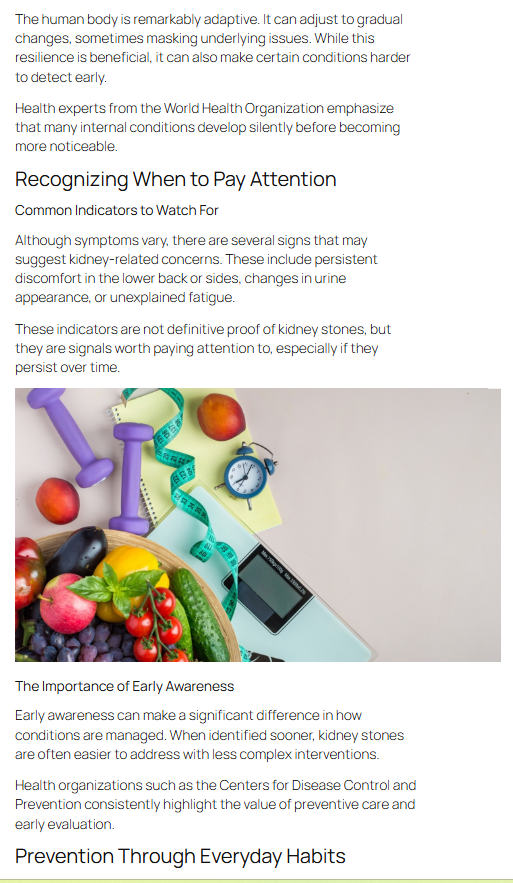
Even simple routines can have powerful effects over time. Drinking water each morning, taking short walks, maintaining bedtime consistency, writing thoughts in a journal, or practicing gratitude may seem small individually, but together they strengthen emotional stability and awareness.
The power of habits comes from consistency rather than intensity. Small actions repeated daily shape emotional patterns more effectively than occasional dramatic efforts.
This gradual progress is sustainable because it fits naturally into everyday life. Consistent habits create emotional growth without adding unnecessary pressure or complexity.
Creating Habits That Support Emotional Awareness
Building habits that improve emotional awareness does not require perfection. The goal is not to create rigid routines but to establish supportive patterns that encourage emotional clarity and balance.
Helpful habits may include:
Maintaining a regular sleep schedule
Practicing mindfulness or meditation
Journaling emotions daily
Taking quiet breaks from digital distractions
Exercising consistently
Spending time outdoors
Practicing gratitude
Creating morning or evening reflection routines
The most effective habits are simple enough to maintain consistently. Emotional awareness grows best through routines that feel supportive rather than overwhelming.
Conclusion
Consistent habits improve emotional awareness by creating stability, reducing mental overload, and encouraging self-reflection. In a world filled with constant distractions and emotional pressure, daily routines provide grounding that helps individuals stay connected to their inner experiences.
Through intentional habits, people become more capable of recognizing emotions, understanding emotional triggers, and responding thoughtfully instead of reactively. Reflection, mindfulness, healthy living, and emotional consistency all contribute to stronger self-awareness and emotional balance.
Emotional awareness is not built through occasional moments of insight alone. It develops through small daily practices repeated over time. Consistent habits create the foundation for emotional clarity, healthier relationships, and long-term mental well-being. By embracing simple routines with patience and intention, individuals can strengthen their emotional understanding and create a more balanced and emotionally resilient life.



