
In modern life, many individuals experience constant pressure to move quickly, meet deadlines, and balance multiple responsibilities at once. This fast-paced lifestyle often creates physical exhaustion, emotional tension, and mental overload. As a result, stress has become a common challenge affecting both personal well-being and professional performance. One highly effective yet often overlooked strategy for reducing stress is calm pacing. Calm pacing refers to approaching daily tasks, responsibilities, and routines with intentional steadiness rather than urgency or chaos.
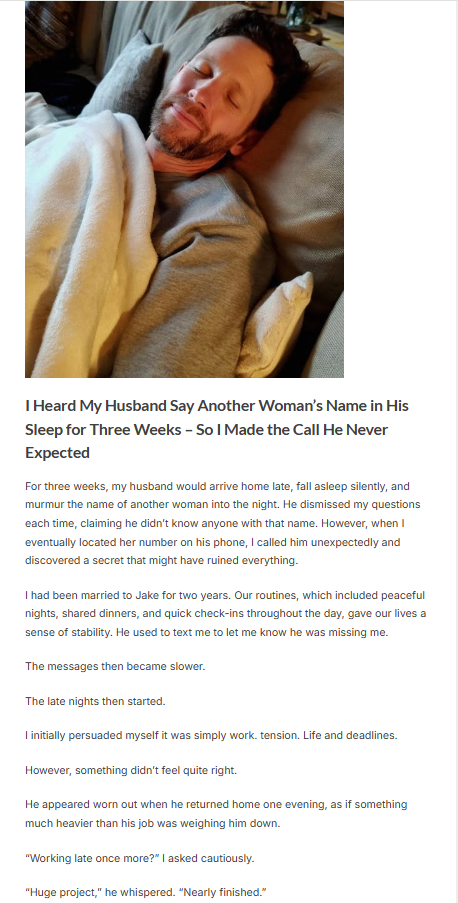



Stress management is not only about eliminating stressful situations. In reality, responsibilities such as work, family commitments, financial planning, and social obligations cannot always be avoided. What can change, however, is the way individuals move through these responsibilities. Calm pacing allows people to create a healthier relationship with time, energy, and expectations. By reducing the habit of rushing, individuals can improve focus, emotional regulation, and overall resilience.
What Is Calm Pacing?
Calm pacing is the intentional practice of maintaining a manageable rhythm throughout the day. It involves completing tasks with focus and purpose while avoiding unnecessary haste. Many people mistakenly believe productivity requires constant speed, multitasking, and immediate responses. While this may appear efficient in the short term, it often leads to decision fatigue, reduced concentration, and increased emotional stress.
A calm pace encourages individuals to prioritize tasks realistically, schedule responsibilities wisely, and allow transitions between activities. Rather than moving from one task to another in a state of urgency, calm pacing creates smoother mental and physical transitions. This reduces cognitive overload and helps preserve emotional balance.
For example, someone practicing calm pacing may begin the day with a clear plan, allocate realistic time for work tasks, take intentional breaks, and avoid overloading their schedule. These simple actions reduce feelings of chaos and increase a sense of control.
The Relationship Between Stress and Speed
Stress often increases when individuals feel they are constantly racing against time. Tight schedules, unrealistic expectations, and a culture of urgency train people to believe they must always move faster. This creates a cycle where rushing becomes normalized.
When the brain perceives urgency, it activates the body’s stress response. This includes increased heart rate, muscle tension, shallow breathing, and elevated stress hormones such as cortisol. While this response is helpful in genuine emergencies, prolonged activation can negatively affect health.
Living in a constant state of urgency may contribute to:
Mental fatigue
Sleep disruption
Irritability
Reduced concentration
Burnout
Emotional reactivity
Calm pacing interrupts this cycle by signaling safety to the nervous system. When individuals intentionally slow their pace, breathing becomes more regulated, thoughts become clearer, and physical tension decreases.
How Calm Pacing Improves Stress Management
Supports Nervous System Regulation
One of the greatest benefits of calm pacing is its effect on the nervous system. The human body functions best when it can alternate between activity and recovery. Constant rushing keeps the body in a prolonged state of alertness.
A calmer rhythm allows the parasympathetic nervous system, often called the “rest and restore” system, to activate more consistently. This helps regulate heart rate, digestion, breathing, and emotional responses. As a result, individuals often feel more grounded and less overwhelmed.
When daily routines become less frantic, the body no longer interprets ordinary tasks as emergencies. This reduces chronic stress activation.
Enhances Mental Clarity
Rushed behavior often leads to scattered thinking. When individuals attempt to complete too many tasks too quickly, attention becomes fragmented. This reduces the ability to focus deeply and make thoughtful decisions.
Calm pacing supports mental clarity by encouraging single-task attention and intentional action. Instead of reacting impulsively, individuals can think more strategically and solve problems more effectively.
This improved clarity also reduces anxiety. Many anxious thoughts are intensified by mental overload. A slower, more organized pace creates space for clearer thinking and emotional stability.
Reduces Emotional Reactivity
Stress often lowers patience and increases emotional sensitivity. Individuals who are constantly rushing may become more irritable, frustrated, or reactive in daily interactions.
Calm pacing introduces small moments of pause throughout the day. These pauses create opportunities to regulate emotions before reacting. Whether during conversations, work challenges, or unexpected disruptions, a calmer internal rhythm supports more balanced responses.
Over time, this improves emotional resilience and interpersonal relationships.
Prevents Burnout
Burnout often results from prolonged overexertion without sufficient recovery. Many people operate at unsustainable speeds for weeks or months before experiencing exhaustion.
Calm pacing helps prevent burnout by encouraging energy conservation. Rather than treating every task as urgent, individuals learn to allocate effort wisely. This sustainable approach supports long-term productivity without sacrificing health.
A well-paced routine includes intentional rest, realistic scheduling, and awareness of personal limits.
Improves Time Management
Interestingly, slowing down often improves efficiency. Rushing may create the illusion of productivity, but it frequently leads to mistakes, forgetfulness, and repeated effort.
Calm pacing promotes better time awareness. Individuals become more realistic about how long tasks actually take and are less likely to overcommit.
Effective calm pacing includes:
Prioritizing important tasks
Creating buffer time between commitments
Avoiding unnecessary multitasking
Scheduling breaks intentionally
These habits reduce last-minute stress and improve daily organization.
Calm Pacing and Physical Health
Stress affects both mind and body. Chronic stress has been associated with headaches, digestive discomfort, fatigue, muscle tension, and sleep disturbances.
Calm pacing supports physical well-being by reducing prolonged tension and encouraging healthier habits. Individuals moving at a calmer pace are more likely to:
Eat meals mindfully
Sleep more consistently
Exercise regularly
Maintain hydration
Notice physical signs of exhaustion
These foundational habits further strengthen stress management capacity.
Practical Ways to Practice Calm Pacing
Adopting calm pacing does not require major life changes. Small adjustments can produce meaningful results.
Start by identifying areas where rushing is most common. This may include mornings, work deadlines, commuting, or evening routines.
Helpful strategies include:
Waking up slightly earlier to reduce morning urgency
Creating realistic daily to-do lists
Leaving extra travel time
Limiting schedule overload
Taking short breathing pauses between tasks
Reducing unnecessary digital distractions
Consistency matters more than perfection. Calm pacing is a skill developed gradually through repeated practice.
Long-Term Benefits of Calm Pacing
Over time, calm pacing becomes more than a stress management technique. It develops into a healthier lifestyle pattern. Individuals who maintain a calmer rhythm often report:
Greater emotional stability, improved concentration, healthier boundaries, stronger self-awareness, and better life satisfaction.
By reducing chronic urgency, people create more room for intentional living. Tasks become less draining, relationships become less reactive, and daily life feels more manageable.
Conclusion
Calm pacing is a simple but highly effective strategy for stress management. In a culture that often rewards constant speed, intentionally slowing down can feel unfamiliar at first. However, moving through life with steadiness rather than urgency helps regulate the nervous system, improve focus, reduce emotional reactivity, and prevent burnout.
Stress may be an unavoidable part of life, but the pace at which individuals respond to life’s demands can be adjusted. Calm pacing offers a sustainable path toward greater balance, resilience, and overall well-being. By embracing a more intentional rhythm, individuals can support both mental and physical health while maintaining productivity in a healthier way.



