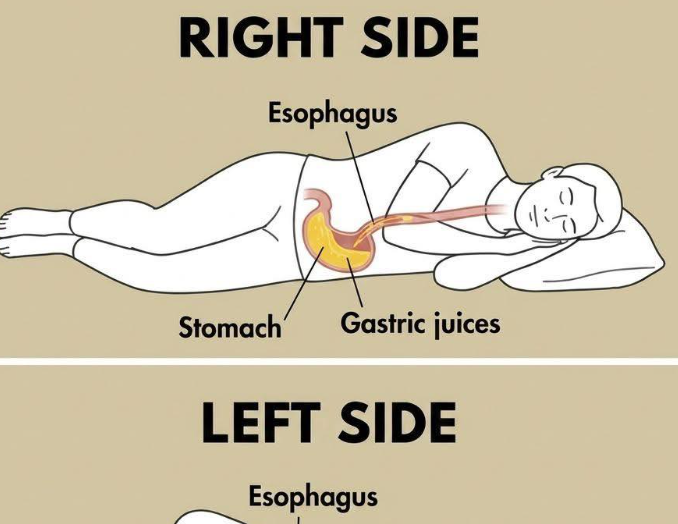
Good digestion is one of the most important foundations of overall health, yet it is often ignored until discomfort appears. Digestive health directly affects energy levels, immunity, mental clarity, and even mood. When the digestive system functions properly, the body absorbs nutrients efficiently and eliminates waste effectively. However, poor dietary habits can disrupt this balance, leading to issues such as bloating, constipation, acidity, and long-term gastrointestinal disorders.




At the center of this process is the Digestive System, a complex network of organs working together to process food. From the moment food enters the mouth until waste is eliminated, every stage plays a crucial role in maintaining health. Making the right dietary changes can significantly improve how smoothly this system works and prevent many common digestive problems.
Understanding the Importance of Digestive Health
The digestive system is responsible for breaking down food into nutrients that the body can absorb and use for energy, growth, and repair. If digestion is weak, even a healthy diet may fail to provide full nutritional benefits. Poor digestion can lead to fatigue, nutrient deficiencies, skin issues, and weakened immunity.
A healthy digestive system also supports the Gut Microbiome, which plays a major role in maintaining overall gut balance. These beneficial bacteria help break down food, produce certain vitamins, and protect against harmful microbes. When the gut microbiome is imbalanced due to poor diet, stress, or antibiotics, digestive problems often increase.
Increasing Fiber Intake for Better Bowel Health
One of the most effective dietary changes for better digestion is increasing fiber intake. Fiber adds bulk to stool and helps it move smoothly through the intestines. It also helps regulate bowel movements and prevents constipation.
Foods rich in fiber include fruits, vegetables, whole grains, legumes, and seeds. Soluble fiber absorbs water and forms a gel-like substance that slows digestion, helping with nutrient absorption. Insoluble fiber, on the other hand, adds bulk and promotes regular bowel movements.
A sudden increase in fiber should be avoided, as it may cause gas or bloating. Instead, fiber intake should be increased gradually while also increasing water consumption to support its function.
Hydration and Its Role in Digestion
Water plays a vital role in every stage of digestion. It helps break down food, supports nutrient absorption, and keeps the digestive tract smooth. Without adequate hydration, stool becomes hard and difficult to pass, leading to constipation.
Drinking enough water throughout the day ensures that the digestive system functions efficiently. Warm water in the morning can also stimulate bowel movements and support detoxification processes in the body.
Hydration is especially important when consuming high-fiber foods, as fiber absorbs water to function properly. Without sufficient water intake, fiber may have the opposite effect and worsen constipation.
Supporting the Gut Microbiome with Healthy Foods
A balanced diet is essential for maintaining a healthy gut environment. The Gut Microbiome thrives on nutrient-rich, whole foods. Fermented foods such as yogurt, kefir, and traditional pickles contain probiotics that support healthy bacteria growth in the gut.
Prebiotic foods, such as garlic, onions, bananas, and oats, feed beneficial bacteria and help them multiply. Including both probiotics and prebiotics in the diet creates a balanced gut environment that improves digestion and strengthens immunity.
On the other hand, excessive consumption of processed foods, artificial sweeteners, and high-sugar diets can damage gut bacteria balance and slow down digestion.
Eating Habits That Improve Digestion
Healthy digestion is not only about what you eat but also how you eat. Eating too quickly or in a stressed state can negatively affect digestion. Chewing food properly allows enzymes in the saliva to begin breaking down food before it reaches the stomach.
Eating smaller, more frequent meals instead of large heavy meals can also ease the burden on the digestive system. Overeating can slow digestion and cause discomfort such as bloating and acid reflux.
It is also important to avoid lying down immediately after eating. Staying upright for some time helps food move smoothly through the digestive tract and reduces the risk of acid reflux.
Reducing Processed Foods and Irritants
Highly processed foods are often low in fiber and high in unhealthy fats, sugar, and additives. These foods can slow digestion and disrupt gut bacteria balance. Regular consumption of fried foods, fast food, and sugary snacks can lead to long-term digestive issues.
Spicy foods and excessive caffeine intake may also irritate the stomach lining in some individuals, leading to acidity or discomfort. While these foods do not affect everyone in the same way, moderation is key to maintaining digestive balance.
A shift toward natural, whole foods such as fruits, vegetables, lean proteins, and whole grains can significantly improve digestion over time.
Role of Physical Activity in Digestion
Regular physical activity is another important factor in maintaining digestive health. Movement helps stimulate intestinal contractions, which support smooth movement of food through the digestive tract. Even light activities such as walking after meals can improve digestion and reduce bloating.
A sedentary lifestyle, on the other hand, can slow down digestion and contribute to constipation and weight gain. Simple daily exercise routines can make a noticeable difference in gut health and overall well-being.
Stress and Its Impact on Digestion
Stress has a direct impact on the digestive system through the brain-gut connection. When a person is stressed, the body enters a “fight or flight” mode, which slows down digestion. This can lead to symptoms such as stomach cramps, diarrhea, or constipation.
Chronic stress can also negatively affect the gut microbiome and increase inflammation in the digestive tract. Managing stress through relaxation techniques, deep breathing, and proper sleep is essential for maintaining healthy digestion.
Long-Term Benefits of a Healthy Digestive System
Improving digestive health has long-term benefits for the entire body. A well-functioning digestive system ensures proper nutrient absorption, which supports energy production, immunity, and overall vitality. It also reduces the risk of chronic digestive disorders and improves mental well-being through the gut-brain connection.
People with healthy digestion often experience better skin health, stable energy levels, and improved mood. Since the gut is closely linked to brain function, a balanced digestive system can also support mental clarity and emotional stability.
Conclusion
Healthy digestion is the result of consistent and mindful dietary choices. By focusing on fiber-rich foods, proper hydration, balanced meals, and gut-friendly nutrition, the Digestive System can function at its best. Supporting the Gut Microbiome is equally important for long-term digestive health and overall well-being.
Simple changes in eating habits, food selection, and lifestyle can significantly improve digestion over time. A healthy digestive system is not only about comfort but also about ensuring that the body receives maximum nutrition and operates efficiently every day.



